
The Ultimate Guide to Building a Skincare Routine for Your Skin Type
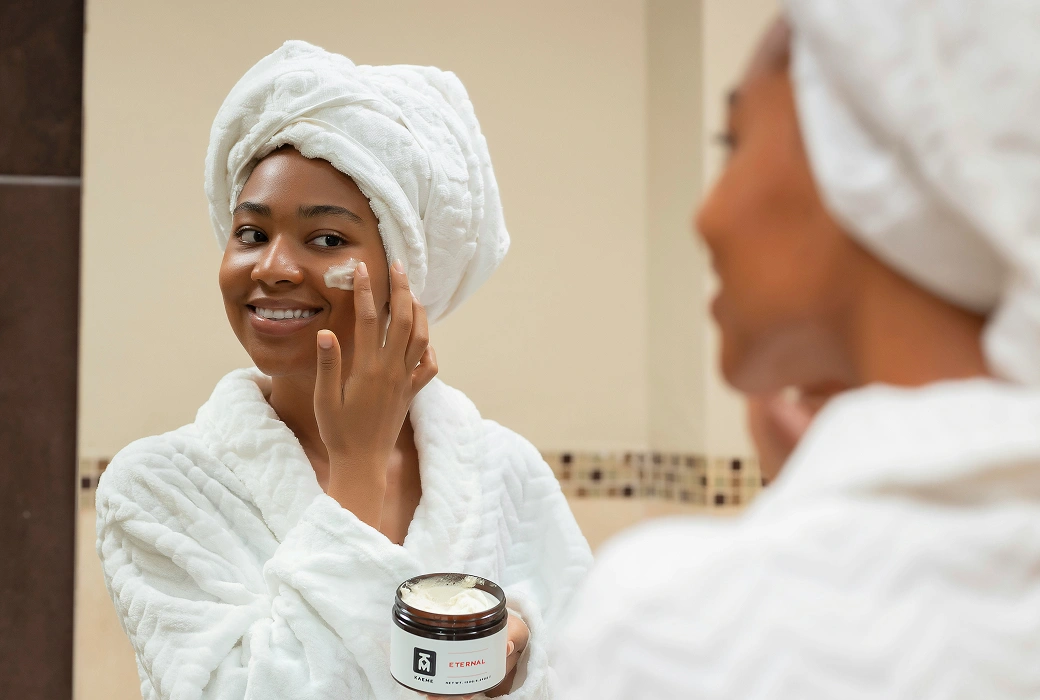
Navigating the world of skincare can feel overwhelming. With countless products promising miraculous results, where do you even begin? The secret to radiant, healthy skin isn’t about using the most expensive product; it’s about creating a consistent, personalized routine that addresses your unique skin type and concerns. This guide will walk you through everything you need to know about building a skincare routine that actually works.
Why a Skincare Routine Matters
Healthy skin requires consistent care. A good skincare routine not only improves your complexion but also protects your skin barrier, delays signs of aging, and prevents common issues such as acne, dryness, and sensitivity. Think of it as long-term investment in your confidence and overall well-being.
Key benefits of a routine include:
- Maintaining hydration and balance.
- Preventing breakouts and irritation.
- Protecting skin from environmental stressors.
- Slowing premature aging.
Step 1: Identify Your Skin Type
Before investing in products, you need to know your skin type. This helps you choose the right ingredients and avoid irritation.
Common Skin Types
- Normal Skin – Balanced, neither too oily nor too dry.
- Oily Skin – Produces excess sebum, often shiny and prone to acne.
- Dry Skin – Lacks moisture, feels tight, rough, or flaky.
- Combination Skin – Oily in some areas (like the T-zone) and dry in others.
- Sensitive Skin – Easily irritated, prone to redness, burning, or stinging.
Tip: Wash your face with a gentle cleanser, wait an hour without applying anything, then observe. Shiny = oily, tight/dry = dry, mix = combination.
Step 2: The Core Skincare Routine
A proper routine doesn’t have to be complicated. Start with the basics, then expand as needed.
1. Cleansing
- Use a gentle cleanser suited to your skin type.
- Avoid harsh soaps that strip natural oils.
- Cleanse twice a day: morning and night.
2. Toning
- Balances pH levels.
- Prepares skin for better absorption of treatments.
- Look for hydrating toners with ingredients like hyaluronic acid or rose water.
3. Moisturizing
- Locks in hydration and strengthens skin barrier.
- Lightweight gel moisturizers for oily skin.
- Cream-based moisturizers for dry skin.
4. Sun Protection (Daytime)
- The most important step to prevent aging and damage.
- Choose broad-spectrum SPF 30 or higher.
- Reapply every 2–3 hours if outdoors.
Step 3: Targeted Treatments (Optional but Effective)
Once you’ve built a solid foundation, you can introduce treatments based on your concerns.
Popular Treatment Options
- Serums: High concentration of active ingredients (Vitamin C for brightness, Niacinamide for oil control, Hyaluronic Acid for hydration).
- Exfoliants: Remove dead skin cells (AHA for dry skin, BHA for oily/acne-prone skin). Use 1–2 times per week.
- Masks: Clay masks for oily skin, hydrating masks for dry skin.
- Eye Creams: Reduce puffiness and dark circles.
Step 4: Morning vs Night Routine
Your skin has different needs at different times of the day.
Morning Routine
- Cleanser
- Toner
- Serum (optional)
- Moisturizer
- Sunscreen (non-negotiable)
Night Routine
- Cleanser (double cleanse if wearing makeup)
- Toner
- Serum or treatment
- Moisturizer (richer cream if skin is dry)
Step 5: Building Consistency
The best skincare routine is one you can stick to daily. Avoid switching products too often—give at least 4–6 weeks to see results.
Tips for staying consistent:
- Keep your routine simple (3–4 steps are enough).
- Store products in a visible, accessible place.
- Use products you enjoy (texture and scent matter).
- Track progress with photos every few weeks.
Common Mistakes to Avoid
Even with the right products, certain mistakes can harm your skin.
- Over-exfoliating (causes irritation and sensitivity).
- Skipping sunscreen (leading cause of premature aging).
- Using too many actives at once (Vitamin C, retinol, and exfoliants can clash).
- Not patch-testing new products.
- Expecting overnight results.
Extra Skincare Tips for Healthy Skin
- Stay hydrated: Drink plenty of water daily.
- Eat balanced meals: Vitamins and antioxidants from food support skin health.
- Get enough sleep: Rest allows skin to repair and regenerate.
- Avoid touching your face: Prevents bacteria transfer.
- Manage stress: Stress often shows up on the skin.
Final Thoughts
A glowing complexion doesn’t come from a single miracle product—it’s the result of consistent, mindful care tailored to your unique skin type. Start simple with cleansing, moisturizing, and sunscreen. Then, gradually add treatments that target your specific concerns. Remember: skincare is not one-size-fits-all. With patience and consistency, your skin will thank you.
Related Post
The beauty industry is constantly evolving, and one of the biggest debates among consumers today is

In a world filled with endless beauty products and trends, it’s easy to feel overwhelmed by
When it comes to beauty, the options are endless. From skincare essentials to makeup must-haves, the