
The Truth About Natural vs. Synthetic Beauty Products
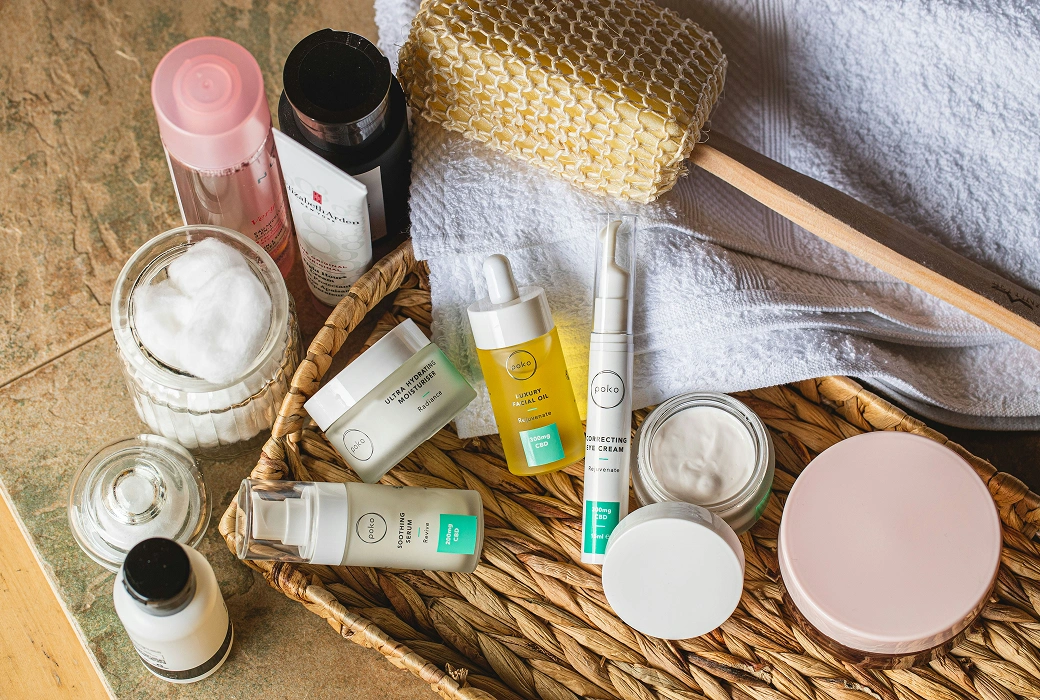
The beauty industry is constantly evolving, and one of the biggest debates among consumers today is whether natural or synthetic beauty products are better. Both categories have their advantages and disadvantages, and the choice often depends on your personal needs, preferences, and values. In this guide, we’ll break down the differences, benefits, and myths surrounding natural and synthetic beauty products to help you make an informed decision.
What Are Natural Beauty Products?
Natural beauty products are made primarily from plant-based, mineral-based, or animal-derived ingredients. They often avoid artificial chemicals, preservatives, and fragrances.
Key Features
- Derived from plants, herbs, and minerals.
- Often labeled as organic or eco-friendly.
- May use essential oils for fragrance.
- Typically free from parabens, sulfates, and synthetic dyes.
Benefits:
- Gentler on sensitive skin.
- Eco-conscious and sustainable.
- Less likely to contain harsh irritants.
Limitations:
- Shorter shelf life due to fewer preservatives.
- May cause allergies (e.g., essential oils, nuts).
- Sometimes more expensive.
What Are Synthetic Beauty Products?
Synthetic products are created in laboratories using man-made ingredients. These ingredients may replicate natural compounds or be completely new formulations designed for stability and performance.
Key Features
- Formulated with lab-created chemicals.
- Longer shelf life due to preservatives.
- Often more affordable and widely available.
Benefits:
- Highly effective with consistent results.
- Stable formulas with longer-lasting performance.
- Advanced technology allows for targeted treatments (like anti-aging peptides).
Limitations:
- May include harsh chemicals that irritate skin.
- Some synthetic ingredients can clog pores or cause breakouts.
- Environmental concerns due to manufacturing and packaging.
Common Myths About Natural vs. Synthetic
There’s a lot of misinformation when it comes to this debate. Let’s clear some things up:
- Myth 1: Natural products are always safer. Not true—poison ivy is natural but harmful. Some natural ingredients can trigger allergies.
- Myth 2: Synthetic products are harmful. Many synthetic ingredients are tested for safety and used in controlled amounts.
- Myth 3: Natural = chemical-free. Everything, even water, is a chemical. “Chemical-free” is a marketing term.
- Myth 4: Synthetic products always cause breakouts. Many are specifically formulated for acne-prone or sensitive skin.
How to Decide Which Is Right for You
Your ideal choice depends on your skin type, budget, and lifestyle values.
Factors to Consider
- Skin Sensitivity: If you have easily irritated skin, try fragrance-free natural products.
- Performance Needs: For specific concerns like acne, wrinkles, or hyperpigmentation, synthetic formulas may be more effective.
- Budget: Synthetic products are generally more affordable.
- Sustainability: Natural, eco-friendly brands may align better with your values.
The Rise of Hybrid Products
The future of beauty may not be about choosing one over the other but combining the best of both worlds. Many brands now create hybrid products—using natural extracts with lab-engineered ingredients for maximum effectiveness and safety.
Examples:
- Vitamin C serums combining botanical extracts with stabilized synthetic Vitamin C.
- Natural oils blended with synthetic emollients for smoother textures.
Tips for Shopping Smarter
- Always read ingredient labels.
- Patch test new products before full use.
- Don’t fall for marketing buzzwords like “chemical-free” or “all-natural.”
- Choose brands that are transparent about sourcing and testing.
Final Thoughts
When it comes to natural vs. synthetic beauty products, there’s no one-size-fits-all answer. Natural products are often gentler and eco-friendly, while synthetic options deliver powerful results and long-lasting performance. The best routine may include a mix of both—natural for everyday basics and synthetic for targeted treatments. Ultimately, the right choice is the one that makes your skin look and feel its best.
Quick Comparison Table
| Feature | Natural Products | Synthetic Products |
|---|---|---|
| Ingredients | Plant, mineral, animal-based | Lab-created, man-made |
| Shelf Life | Shorter | Longer |
| Cost | Often higher | Generally lower |
| Effectiveness | Gentle, mild results | Potent, targeted results |
| Environmental Impact | Eco-friendly (varies by brand) | May raise sustainability issues |
Related Post
In a world filled with endless beauty products and trends, it’s easy to feel overwhelmed by
When it comes to beauty, the options are endless. From skincare essentials to makeup must-haves, the
Finding the perfect foundation can feel like searching for a needle in a haystack. With so