
The Beginner’s Guide to Choosing the Right Foundation for Your Skin
Finding the perfect foundation can feel like searching for a needle in a haystack. With so many options—liquid, powder, cream, stick, matte, dewy—it’s no wonder many people struggle to find their match. The right foundation should feel weightless, look natural, and enhance your complexion rather than mask it. This guide will walk you through everything you need to know to choose the ideal foundation for your skin.
Why Choosing the Right Foundation Matters
Foundation is the base of your makeup look. It sets the tone for the rest of your products and can either elevate your natural beauty or highlight imperfections. A mismatched foundation shade or formula can lead to cakey, patchy, or dull skin. By selecting the right one, you’ll achieve a flawless finish that lasts all day.
Benefits of the right foundation:
- Creates an even complexion.
- Covers blemishes and redness.
- Enhances your skin’s natural glow.
- Provides confidence for any occasion.
Step 1: Identify Your Skin Type
Just like skincare, foundation works best when it complements your skin type.
Skin Type Guide
- Oily Skin: Choose oil-free, mattifying formulas (powder or matte liquid).
- Dry Skin: Go for hydrating, dewy foundations (cream or liquid with moisturizing ingredients).
- Combination Skin: Use lightweight, buildable liquid foundations that balance oily and dry areas.
- Sensitive Skin: Stick to fragrance-free, dermatologist-tested formulas.
- Normal Skin: You’re lucky—most formulas will work for you.
Step 2: Find Your Undertone
Your undertone determines how a foundation looks on your skin. Even if the shade is right, the wrong undertone can make your skin look ashy or orange.
How to Identify Undertones
- Cool Undertone: Pink, red, or bluish hues. Veins look blue or purple.
- Warm Undertone: Yellow, golden, or peach hues. Veins appear greenish.
- Neutral Undertone: A mix of both—veins may look blue-green.
Tip: Hold up silver and gold jewelry. Silver looks better on cool undertones, while gold flatters warm undertones.
Step 3: Choose the Right Formula
Foundation comes in many forms, each suited to different preferences and needs.
Common Foundation Types
- Liquid Foundation: Versatile and suitable for most skin types. Available in matte, satin, or dewy finishes.
- Powder Foundation: Best for oily skin and quick touch-ups.
- Cream Foundation: Rich and hydrating—ideal for dry skin.
- Stick Foundation: Convenient, portable, and great for full coverage.
- Tinted Moisturizer/BB Cream: Light coverage for a natural, everyday look.
Step 4: Coverage Levels
Decide how much coverage you want.
- Light Coverage: Evens out skin tone while keeping a natural look.
- Medium Coverage: Conceals redness, blemishes, and minor imperfections.
- Full Coverage: Masks discoloration, scars, and provides a flawless finish.
Step 5: Test Before You Buy
Never rely solely on online swatches or bottle appearances. Testing is essential.
Tips for testing foundation:
- Swatch on your jawline, not your hand.
- Check in natural light, not just store lighting.
- Let it sit for a few minutes to see if it oxidizes (changes color).
- Wear it for a day to test comfort and longevity.
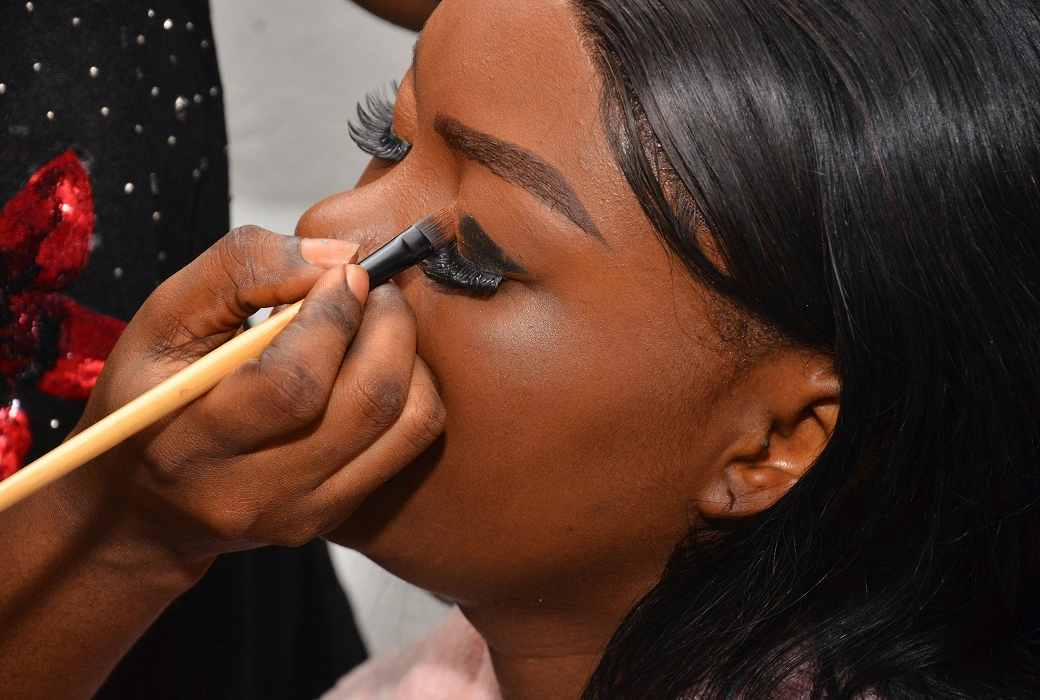
Step 6: Application Techniques
The right tool can make a huge difference in your foundation’s finish.
- Brushes: Provide airbrushed coverage.
- Sponges: Great for a natural, blended look.
- Fingers: Warmth helps product melt into the skin (ideal for cream foundations).
Pro tip: Always start with a primer for smoother application and longer wear.
Common Foundation Mistakes to Avoid
- Picking shades too light or too dark.
- Applying too much product at once.
- Skipping moisturizer or primer.
- Using the wrong undertone.
- Not blending into the neck and hairline.
Extra Tips for Long-Lasting Foundation
- Set with a translucent powder if you have oily skin.
- Use a setting spray for a dewy, fresh finish.
- Touch up with blotting papers during the day.
- Always remove foundation before bed to prevent breakouts.
Final Thoughts
The perfect foundation is one that blends seamlessly into your skin, feels comfortable, and enhances your natural beauty. Start by identifying your skin type and undertone, then choose a formula and coverage that suits your lifestyle. Remember: foundation should never hide who you are—it should highlight your best features and give you confidence every day.
Quick Checklist for Choosing Foundation
- Know your skin type
- Identify your undertone
- Select formula type
- Choose coverage level
- Test in natural light
- Use the right application tool
Related Post
The beauty industry is constantly evolving, and one of the biggest debates among consumers today is

In a world filled with endless beauty products and trends, it’s easy to feel overwhelmed by
When it comes to beauty, the options are endless. From skincare essentials to makeup must-haves, the