

Single Post

Single Post

Introduction: The Evolution of Security

For centuries, the humble mechanical key and lock have been the cornerstone of security, reliably guarding our homes and possessions. While still prevalent, the world of locking mechanisms is rapidly evolving, driven by innovations in electronics, biometrics, and connectivity. We’re now moving far beyond the simple turn of a key, embracing advanced technologies that offer unprecedented levels of convenience, control, and protection. If you’re looking to elevate your security infrastructure, understanding these modern lock technologies is the first step toward a safer future.

Beyond the Tumbler: How Modern Locks Work

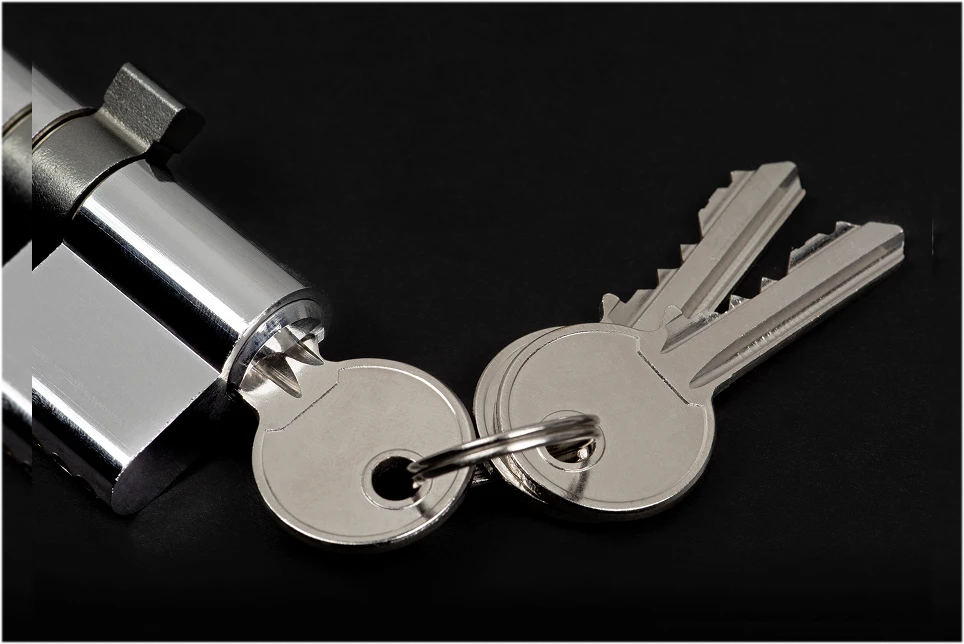
Traditional locks rely on precisely cut keys aligning internal pins or levers to allow rotation. Advanced locks, however, leverage a variety of sophisticated methods:

  • Electronic Keypads: Instead of a physical key, these locks use a numerical code entered on a keypad to retract the bolt.
  • Biometric Scanners: These locks verify identity using unique biological characteristics, most commonly fingerprints or facial recognition.
  • Smart Connectivity (Wi-Fi, Bluetooth, Z-Wave/Zigbee): These locks integrate with your home network or smartphone, allowing remote control and smart home automation.
  • RFID/NFC: Found in key cards and fobs, these technologies use radio waves for short-range communication with the lock, granting access.

Key Technologies and Their Advantages

Let’s dive into some of the most prominent advanced lock technologies available today:

  • Keypad Locks:
    • How they work: You enter a multi-digit code on a physical or digital keypad.
    • Advantages: Eliminates physical keys, easy to share temporary access codes, simple to change codes.
    • Best for: Homes, small offices, utility rooms, gates.
  • Biometric Locks (Fingerprint, Facial Recognition):
    • How they work: A sensor scans and verifies a unique biological identifier against a stored database.
    • Advantages: Ultimate keyless convenience, highly secure (biometrics are hard to duplicate), fast entry.
    • Best for: High-security areas, personal offices, tech-forward homes.
  • Smart Locks (Wi-Fi, Bluetooth, Z-Wave/Zigbee):
    • How they work: Connects to your smartphone or smart home hub for remote control, monitoring, and integration.
    • Advantages: Remote lock/unlock from anywhere, activity logs (know who enters and when), integration with other smart devices (lights, thermostats), temporary virtual keys.
    • Best for: Modern homes, rental properties, smart offices, anyone desiring ultimate control.
  • Card/Fob Access (RFID/NFC):
    • How they work: A programmed card or fob is tapped or waved near a reader to grant access.
    • Advantages: Easy to issue and revoke access for multiple users, durable, often used in conjunction with security systems.
    • Best for: Commercial buildings, schools, hotels, apartment complexes.

Benefits of Upgrading to Advanced Lock Technologies

The shift from traditional to advanced locks brings a host of compelling benefits:

  • Unrivaled Convenience: Say goodbye to bulky keychains and the frantic search for lost keys. Keypad codes, fingerprints, or a tap on your smartphone offer effortless entry.
  • Enhanced Security: Many advanced locks offer features like tamper alerts, encryption for wireless communication, and activity logs that significantly bolster your security posture compared to mechanical locks.
  • Flexible Access Control: Granting temporary access to visitors, cleaning staff, or delivery personnel is simple and secure. You can set time limits for access codes and revoke them instantly.
  • Remote Management: Control and monitor your locks from anywhere in the world using your smartphone, giving you peace of mind whether you’re at work or on vacation.
  • Smart Home Integration: Advanced locks seamlessly integrate with smart home ecosystems, allowing for automated routines like turning on lights when the door unlocks or adjusting the thermostat upon entry.
  • Elimination of Rekeying: If a code needs to be changed or access revoked, it’s a simple electronic adjustment rather than a costly and time-consuming rekeying of physical locks.

Choosing the Right Advanced Lock System

With so many options, selecting the best advanced lock for your needs requires careful consideration:

  • Security Needs: How high is the security risk? Do you need basic keyless entry or advanced biometric protection?
  • Connectivity: Do you want remote access (Wi-Fi) or is local control (Bluetooth) sufficient?
  • User Management: How many users will need access, and how frequently will access permissions need to change?
  • Power Source: Most electronic locks are battery-powered. Consider battery life and ease of replacement.
  • Integration: If you have an existing smart home system, ensure the lock is compatible.
  • Installation: Some advanced locks are DIY-friendly, while others require professional installation.
  • Budget: Costs vary significantly based on features and technology.

Conclusion: Investing in Modern Security for the Future

Advanced lock technologies represent a significant leap forward in security and convenience. By moving beyond the limitations of traditional keys, you gain granular control over access, real-time monitoring, and seamless integration into your connected lifestyle. While the initial investment might be greater, the long-term benefits of enhanced protection, streamlined management, and unparalleled peace of mind make upgrading to modern locking solutions a smart and future-proof decision for any home or business.

Book Appointment

Locked Out? We’re Here to Help!

Fast, reliable 24/7 locksmith service to get you back inside quickly, safely, and with professional, damage-free solutions.

Portfolio

Our Work Your Security

Our portfolio highlights successful locksmith projects, from emergency lockouts to smart lock upgrades, each completed with precision and care.

We’ve delivered reliable solutions for homes, businesses, and vehicles, ensuring every client receives trusted service and peace of mind.

Need Help?

Hire Us

Mail Us

Let’s Talk