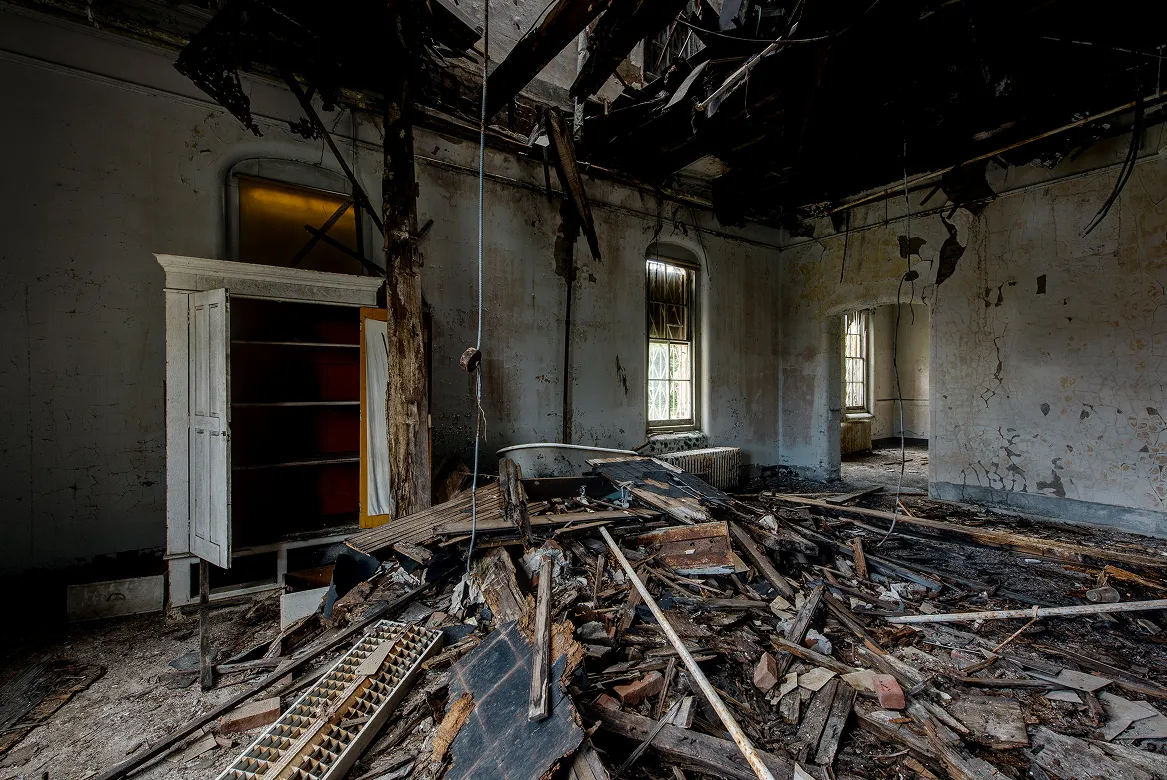
Fire Damage Recovery: What Property Owners Should Expect
Understand the restoration process after a fire, from initial inspection and...

To respond quickly, restore carefully, and help every property owner move forward with confidence after unexpected damage.
To become a trusted restoration partner known for reliable service, professional care, and complete recovery from damage to rebuild.
Emergency stabilization
Contents and odor treatment
Moisture and damage mapping
Repair and reconstruction
Clear priorities and response planning from the first call.
Damage mapping that looks beyond visible surfaces.
One contact and a clear next step throughout the project.
Cleanup, drying, repairs, and reconstruction under one plan.
Successful restoration requires more than equipment. It requires careful documentation, consistent communication, trained specialists, and a process that protects the property at every stage.
The same damage can create very different priorities depending on who occupies the property and how quickly normal use must resume.
Call dispatch or submit your location through the short online form.
General questions and follow-up
Your City, State 00000
Explore how different damage types were assessed, stabilized, cleaned, restored, and prepared for normal use.
Homeowner
Property Manager
Laura T.
Prioritize safety, avoid electrical hazards, stop the water source only when it is safe, and do not enter areas affected by sewage, heavy smoke, or structural instability. A coordinator can provide situation-specific guidance during the first call.
Helpful resources for the first hour after damage, the restoration process, moisture risks, smoke cleanup, and prevention.
Understand the restoration process after a fire, from initial inspection and...
Discover common signs of hidden mold, where it usually grows, and...
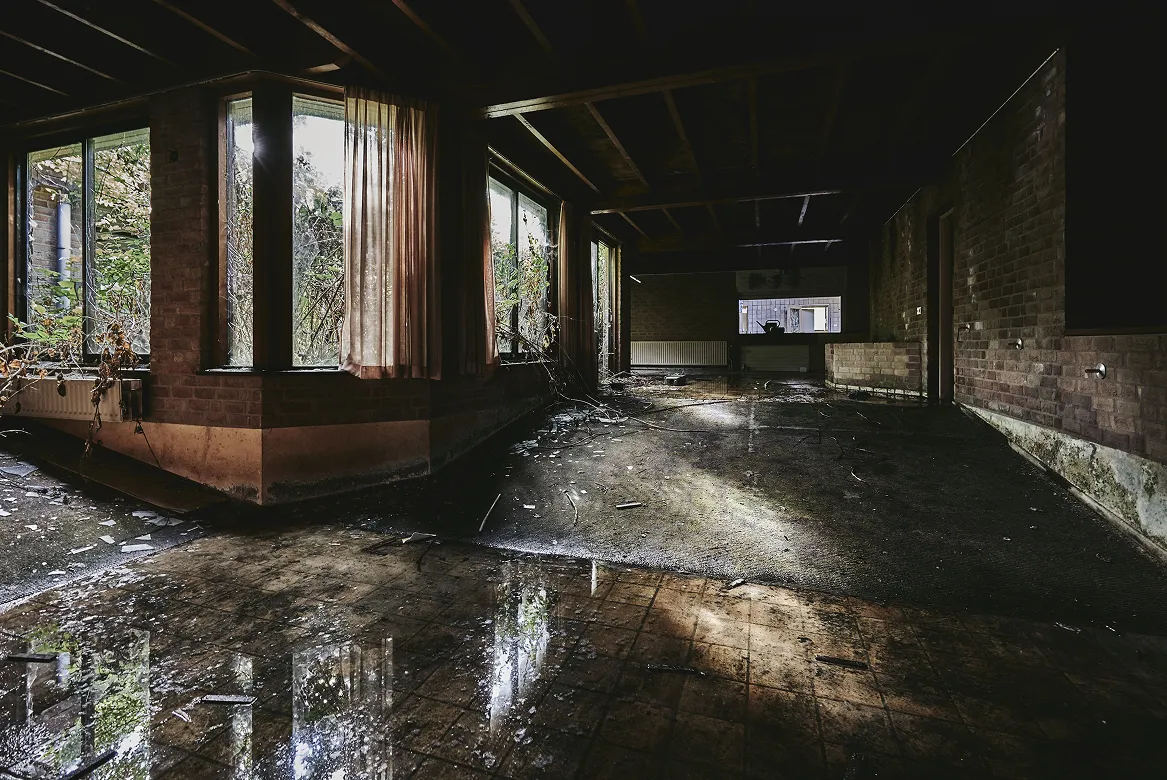
Learn the first steps to protect your property, reduce further damage,...

Emergency water, fire, mold, storm, sewage, and commercial property restoration—from immediate response through complete repair.