
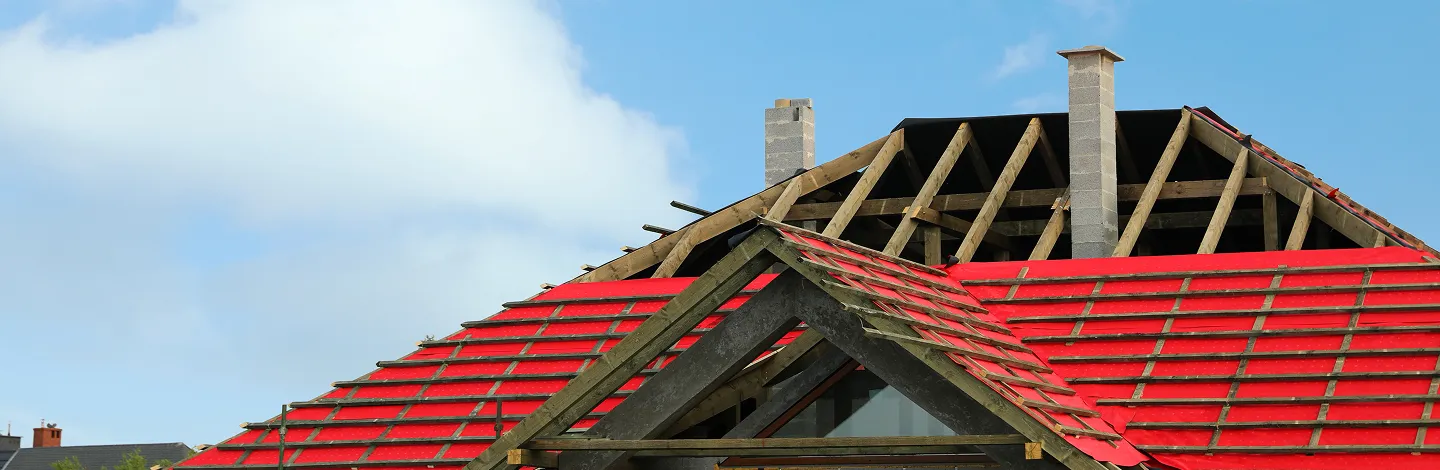

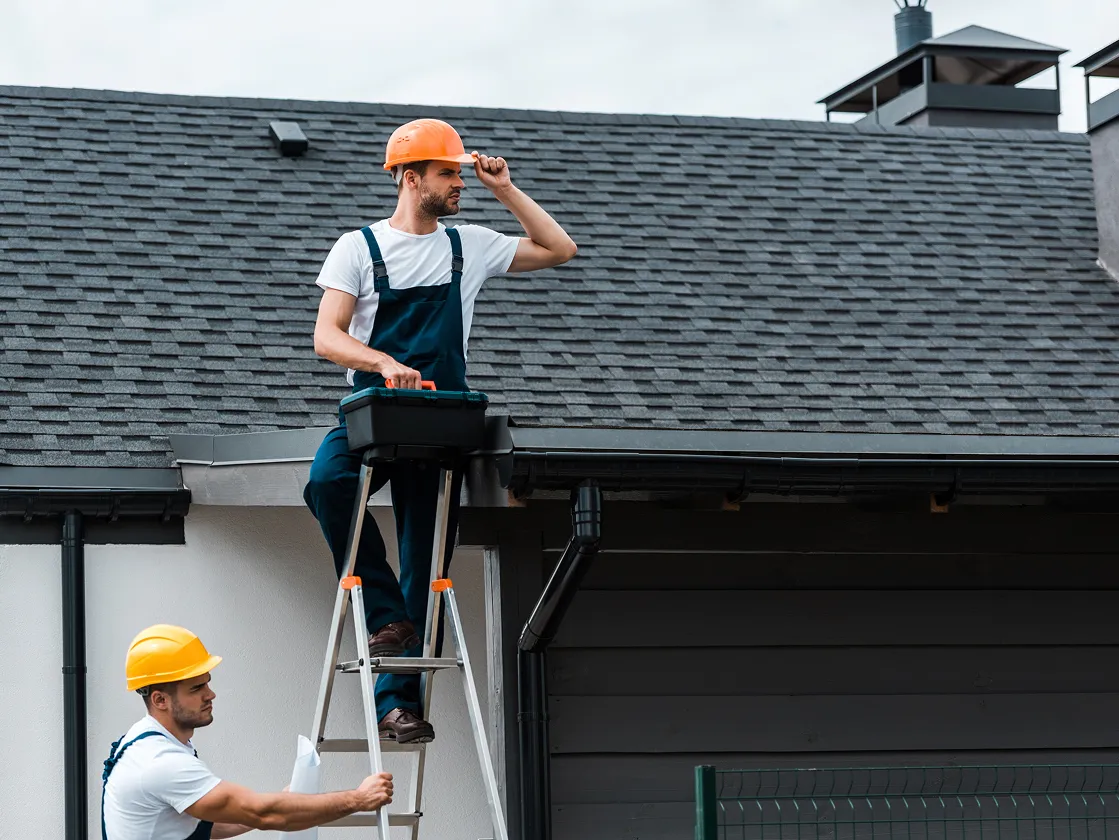
A roof near the end of its expected lifespan may make replacement a better long-term option. If the roof is relatively new and the damage is limited, a professional repair may be all you need.
Small leaks, missing shingles, or isolated damage can often be repaired without replacing the entire roof. Widespread leaks, major deterioration, or structural problems may indicate that replacement is the safer choice.
If your roof has needed frequent repairs over the years, continuing to fix individual problems may no longer be cost-effective. A replacement can provide more reliable protection and reduce ongoing maintenance.
The cheapest option today is not always the best option for tomorrow. Consider the roof’s remaining lifespan, future repair costs, energy performance, and the level of protection your property needs.
“The right decision isn’t always the biggest repair — it’s the solution that gives your property lasting protection and peace of mind.”
There is no single answer for every roof. A professional inspection can help determine whether repair or replacement makes more sense for your property, budget, and long-term plans. When in doubt, get the roof assessed before making a costly decision.
Free Roof Inspection

Inspection-first roofing for homeowners and businesses that want clear answers before making a roofing decision.
Copyright ©2026 Roofly | Powered by Raddito.