How to Spot Plumbing Trouble Early

Hidden kitchen leaks are one of the most common plumbing issues in homes. Because the pipes are usually placed inside cabinets or behind fixtures, small leaks can go unnoticed for weeks. Over time, even a slow drip can cause water damage, unpleasant odors, and cabinet deterioration.
One of the first signs of a hidden leak is discoloration or swelling inside the cabinet under the sink. Moisture can cause wood panels to expand, warp, or develop stains over time. If the cabinet surface feels damp or soft, it may indicate a slow leak from the pipe connections.
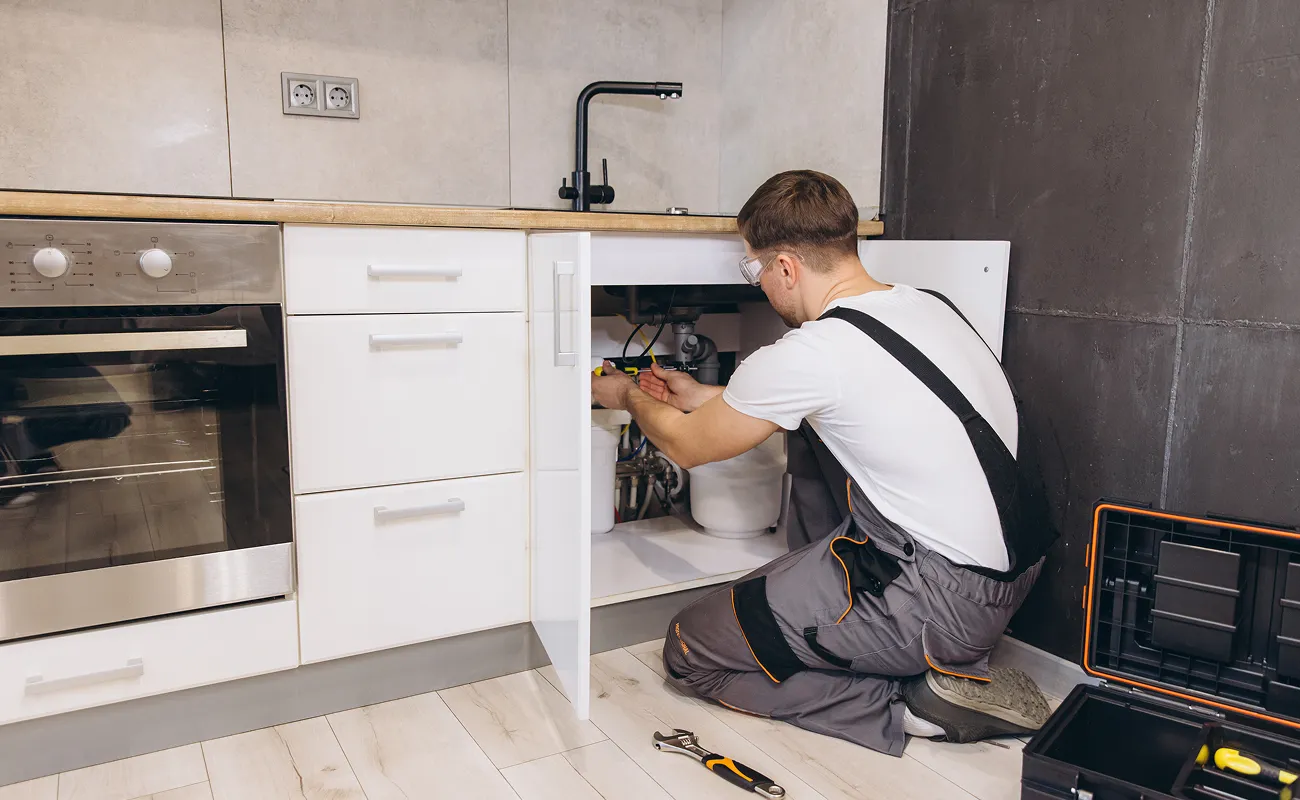
Persistent odors inside the kitchen cabinet may signal trapped moisture. When water sits in a confined space, it can create a damp environment that produces a musty smell. If the odor becomes stronger when opening the cabinet, it may be a sign that water is leaking from the plumbing system.
Moisture buildup from a hidden leak can encourage mold or mildew growth around the cabinet area. Dark spots, discoloration, or a powdery texture around the pipe connections may indicate prolonged moisture exposure. This is often a sign that a leak has been present for some time.
Kitchen leaks can occur for several reasons:
Because kitchen sinks are used daily, the plumbing connections experience constant pressure and movement.
If you notice moisture, odors, or visible leaks under your kitchen sink, it may be time to contact a professional technician. Early inspection can help locate the leak and prevent additional damage to cabinets or surrounding areas.

Repair Specialist
Subscribe to receive simple plumbing tips, maintenance advice, and updates about common home plumbing solutions.

Plomero provides practical plumbing services for homes and businesses, including repairs, installations, and routine maintenance support.
© 2026 Plomero. Powered By Raddito.