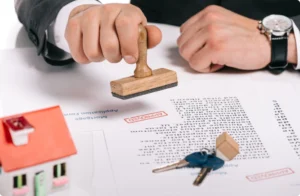
In today’s world, where legal matters and documentation are a constant part of our lives, ensuring the validity and security of your important papers is critical. Whether you’re dealing with personal or professional legal matters, one way to safeguard the integrity of your documents is through notarization. Notarizing certain documents doesn’t just provide an additional layer of legal protection; it also helps prevent fraud, ensures accuracy, and gives peace of mind to all parties involved.
In this blog, we’ll walk you through the top five documents you should always notarize to guarantee their legal standing and protect your interests.
1. Wills and Testamentary Documents
A will is one of the most significant documents you’ll ever sign, as it details how your assets will be distributed upon your death. Ensuring that your will is legally binding is essential to avoid future disputes among your heirs or beneficiaries. Notarizing your will adds an extra layer of authenticity, ensuring it cannot be easily challenged or questioned in court.
Even though some states may not require notarization for wills, having a notarized will can smooth the probate process and prevent unnecessary delays. By notarizing it, you’re verifying your identity and confirming that you were of sound mind and acting of your own free will when you signed the document.
2. Property Deeds and Real Estate Documents
Real estate transactions involve substantial investments, and property deeds transfer ownership of land or property from one person to another. To ensure that the transfer is legitimate, notarization of these documents is crucial. Most states require that property deeds be notarized before they are recorded with the local land registry office.
Whether you’re buying, selling, or transferring property to a family member, notarizing the deed provides clear proof that all parties have agreed to the terms. This step can prevent future legal complications regarding ownership or title disputes.
3. Power of Attorney (POA)
A Power of Attorney (POA) grants someone the authority to act on your behalf in legal, financial, or medical matters. This document can be vital in situations where you’re unable to make decisions due to illness, absence, or incapacity.
Notarizing a POA ensures that the person granted authority has the legal backing to act in your best interests. Many institutions, such as banks or hospitals, will require notarized copies of a POA before they can honor it. Without notarization, the validity of the POA can be questioned, delaying important decisions when time is of the essence.
4. Contracts and Agreements
Any legally binding contract—whether it’s for business partnerships, freelance services, rental agreements, or even personal loans—should be notarized to protect the interests of all involved. Notarizing contracts verifies the identities of the signatories and ensures that all parties signed voluntarily and were not coerced.
Having a notarized contract adds a level of security to your agreement and makes it easier to enforce if disputes arise. Courts are more likely to uphold notarized contracts as they provide indisputable evidence that the agreement was entered into in good faith.
5. Affidavits
An affidavit is a written statement sworn to be true by the person making it, often used as evidence in court cases, immigration procedures, or insurance claims. Since affidavits are declarations of truth, notarizing them is essential to ensure their credibility and validity.
A notary public will verify your identity and witness you sign the affidavit, confirming that you are swearing under oath that the information provided is accurate. A notarized affidavit is a powerful tool in legal proceedings, as it adds weight to your testimony and makes it harder for others to challenge its legitimacy.
Why Notarization Matters
Notarization provides an added layer of security and authenticity to your documents by verifying the identity of the signatories and ensuring that the documents are signed willingly. This process helps prevent fraud and ensures that your legal papers will hold up in court if challenged. In some cases, notarization is required by law, but even when it’s not, it’s often a wise decision.
Final Thoughts
In conclusion, safeguarding your most important legal documents through notarization is an essential step to protect your rights and interests. Whether it’s ensuring your will is honored, a real estate deal goes smoothly, or your contracts are enforceable, notarization can make all the difference in ensuring the legality and validity of your agreements.
Don’t leave the fate of your legal documents to chance—make sure you take the proper steps to have them notarized!