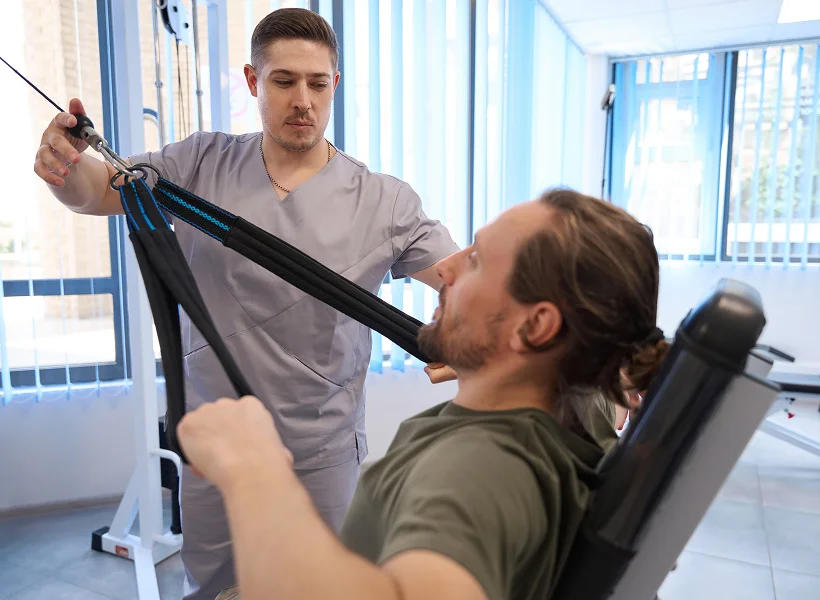
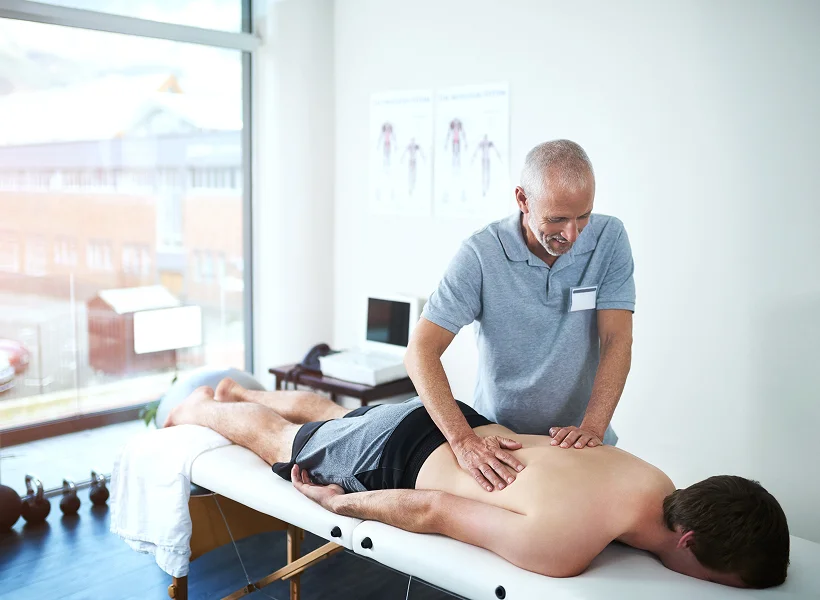
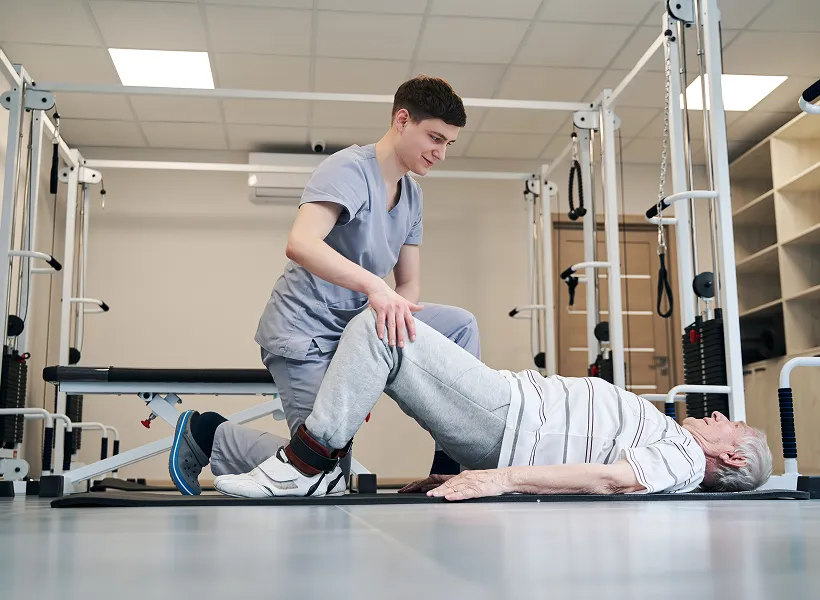
Group physiotherapy is an innovative approach that brings individuals with similar conditions together under the guidance of a skilled physiotherapist. Unlike individual sessions, group settings offer a unique blend of physical rehabilitation and social support, which can significantly enhance the recovery process. This blog explores the benefits, structure, and suitability of group physiotherapy.
Key Benefits of Group Physiotherapy
- Sense of Community: Patients often feel less isolated when they share their experiences with others facing similar challenges, such as post-surgery recovery or chronic pain management.
- Motivation Boost: Studies suggest that group dynamics can increase motivation, as participants inspire each other to push their limits safely.
- Cost-Effectiveness: Group sessions are often more affordable than one-on-one therapy, making them accessible to more people.
“The power of community in healing cannot be overstated. Sharing your journey with others can transform your recovery experience.” — Dr. Jane Smith, Physiotherapy Expert
The structure typically involves tailored exercises led by a physiotherapist, focusing on common goals like improving mobility or strength. For example:
- Stretching routines to enhance flexibility.
- Resistance training to build muscle strength.
- Balance exercises to improve stability, especially for older adults.
The therapist ensures safety and provides real-time feedback, making it both effective and engaging. Is group physiotherapy right for you? It suits those who thrive in social environments and have conditions amenable to group exercises, such as arthritis or post-stroke rehabilitation. However, it may not be ideal for those requiring highly individualized care or with severe mobility limitations. Consulting with a physiotherapist can help determine the best fit.
In conclusion, group physiotherapy offers a supportive, motivating environment that can accelerate recovery while fostering lasting connections. Whether you’re recovering from an injury or managing a chronic condition, it might be the community-driven solution you need.