
What Chimney Smoke Can Tell You About Hidden Problems
Why Poor Chimney Draft Can Cause Smoke and Venting Issues
Weak chimney draft can prevent smoke from leaving properly, creating indoor air problems and reducing fireplace performance.
Home / Post Details
Seeing smoke from your chimney can be normal when a fire is burning, but unusual smoke patterns can sometimes point to hidden problems. Thick smoke, poor draft, indoor smoke, or unusual odors may indicate buildup, blockages, damaged components, or ventilation issues that need attention.
01. SMOKE ENTERING YOUR HOME
If smoke comes back into the room instead of moving safely up the chimney, there may be a draft or airflow problem. Blockages, heavy creosote buildup, closed dampers, or pressure differences inside the home can all affect how smoke moves through the system.
This should be checked early, especially if the problem happens regularly or becomes worse over time.
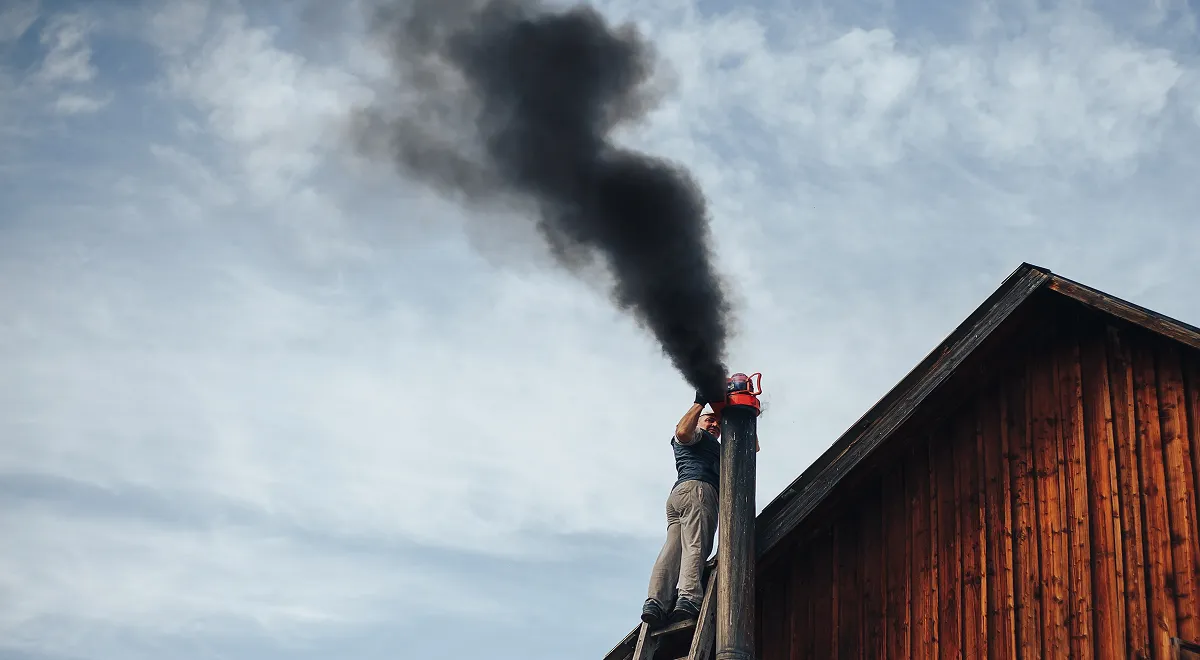
02. THICK OR DARK CHIMNEY SMOKE
Very dark or unusually heavy smoke may mean the fire is not burning efficiently. Damp firewood, poor airflow, or buildup inside the flue can all contribute to excessive smoke.
Using properly seasoned wood and keeping the chimney clean can help improve combustion and reduce unnecessary smoke.
03. UNUSUAL ODORS AROUND THE FIREPLACE
Strong smoky or burnt odors when the fireplace is not in use can sometimes point to creosote buildup, moisture, or trapped debris inside the chimney. Warm weather and humidity can make these odors more noticeable, so persistent smells are worth investigating.
04. WEAK OR INCONSISTENT DRAFT
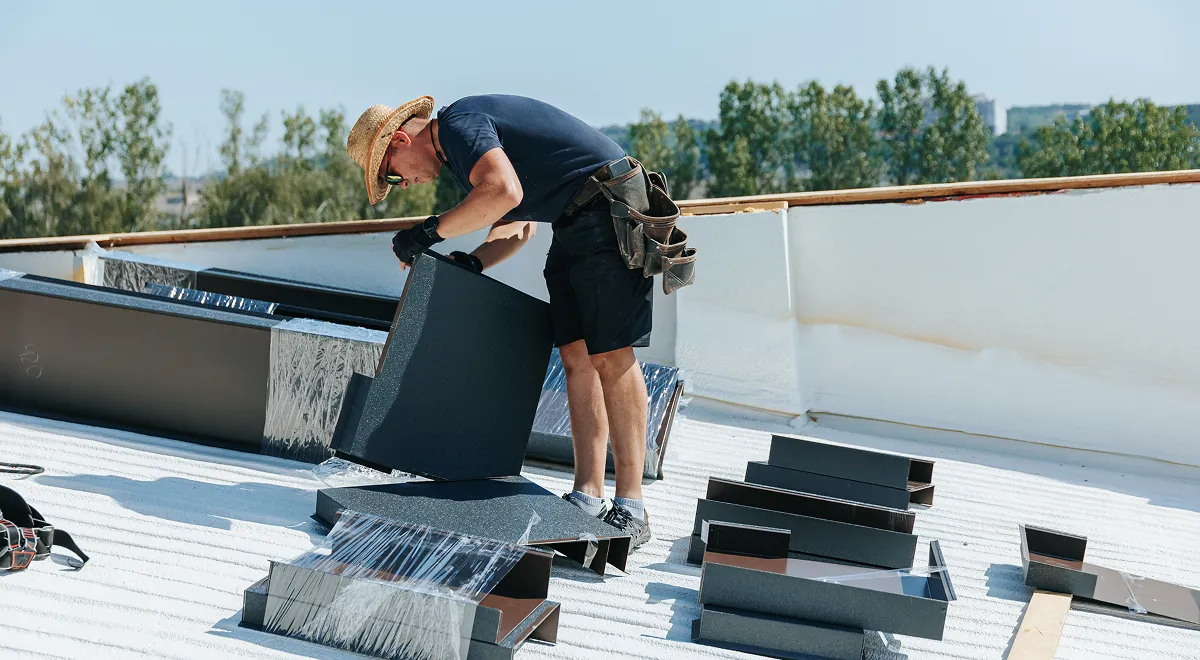
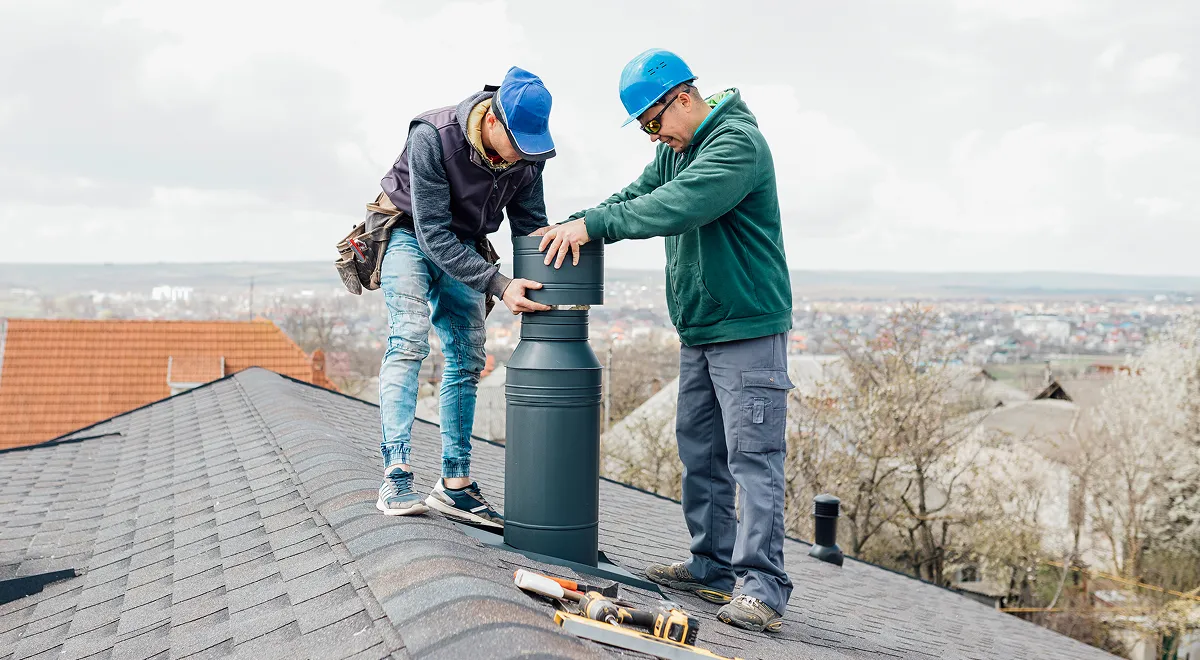
A chimney should create enough upward draft to move smoke and gases outside. If the draft feels weak or changes often, the system may have a blockage, an improperly sized flue, or another airflow issue.
A professional inspection can help identify what is preventing the chimney from venting properly.
05. WHEN TO SCHEDULE AN INSPECTION
You should consider scheduling an inspection if smoke regularly enters the room, the chimney produces unusual odors, you notice visible damage, or the fireplace has not been checked in a long time.
Finding problems early can make repairs easier and help keep your chimney, fireplace, and venting system working more safely.

Oliver Bennett
Chimney Care Specialist