
What to Expect During Your First Legal Consultation
How to Prepare for the Next Stage of Your Legal Matter
Cities are experienced at street level. We notice the width of the sidewalk, the height of the buildings around us, the amount of sunlight reaching the street, the distance between entrances, and the way public and private spaces meet. Urban architecture influences all of these moments.
A building can support the life around it, or it can make the street feel disconnected. When architecture responds carefully to context, movement, scale, and human behavior, it becomes part of a city rather than simply occupying space within it.
Architecture Shapes How We Move
A long blank wall, for example, can make a short walk feel much longer. A street lined with entrances, windows, shops, seating, and changing architectural details often feels more active and easier to navigate.
- Where will people enter the building?
- How does the entrance connect with the street?
- Can pedestrians move comfortably around the site?
- Are public areas easy to understand?
- How does the building connect with nearby transport, parks, and other destinations?
Set a Clear Budget and Priority List
A deck project can include many options, from basic wood decking to composite materials, lighting, railings, stairs, pergolas, and built-in seating. Setting a clear budget early helps you decide which features matter most and which ones can be added later.
Your priority list should focus on the parts that affect daily use, safety, and long-term value. For example, strong materials, safe railings, and proper layout should come before decorative extras.
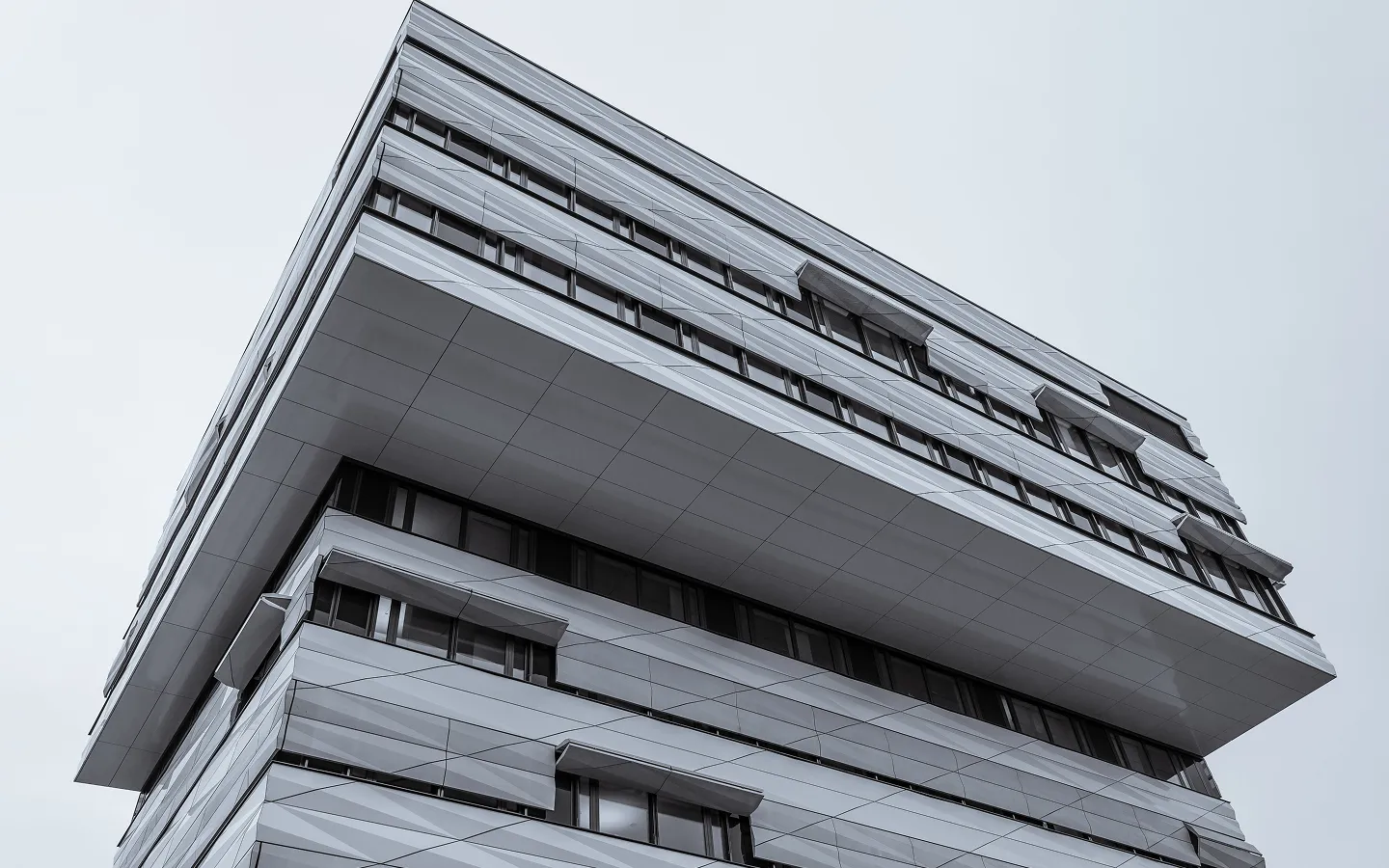

Building Scale Changes How a Street Feels
The height and proportion of buildings can completely change the character of a neighborhood.
Tall buildings can help create density, provide more housing or workspace, and define important parts of a city. But height alone does not create a good urban environment.
The relationship between the building and the person walking beside it matters just as much.
Lower floors often need more detail, transparency, entrances, or changes in material to create a comfortable street-level experience. Upper floors can then respond to the larger skyline.
Streets Need More Than Buildings
Buildings form the edges of streets, plazas, courtyards, and pedestrian routes. Their position influences whether those spaces feel defined, open, protected, busy, or empty.
When architecture supports activity at ground level, streets often become more useful throughout the day.
Liam Harper
Design Director
Liam leads architectural design at Arcton, focusing on urban spaces, residential projects, and buildings shaped by context, material, and everyday use.
View Profile